How I approach learning and design

My approach to learning and development is straightforward. I start from the performance goal, learn about the people and the environment, and then choose the methods that fit. I do not treat any single modality as a silver bullet. Instead, I use the frameworks and tools that make sense for the problem in front of us and I am comfortable saying that training is not always the right answer.

Choosing the right path, not one true way

For each project, I am more interested in whether we are following the right path than in applying a favourite model. Together, we clarify what needs to change in behaviour, performance, or outcomes. We check whether training, coaching, process changes, tools, or something else will make the biggest difference. I use familiar frameworks as tools, not rules, then iterate based on feedback and data and adjust when reality does not match the initial plan.

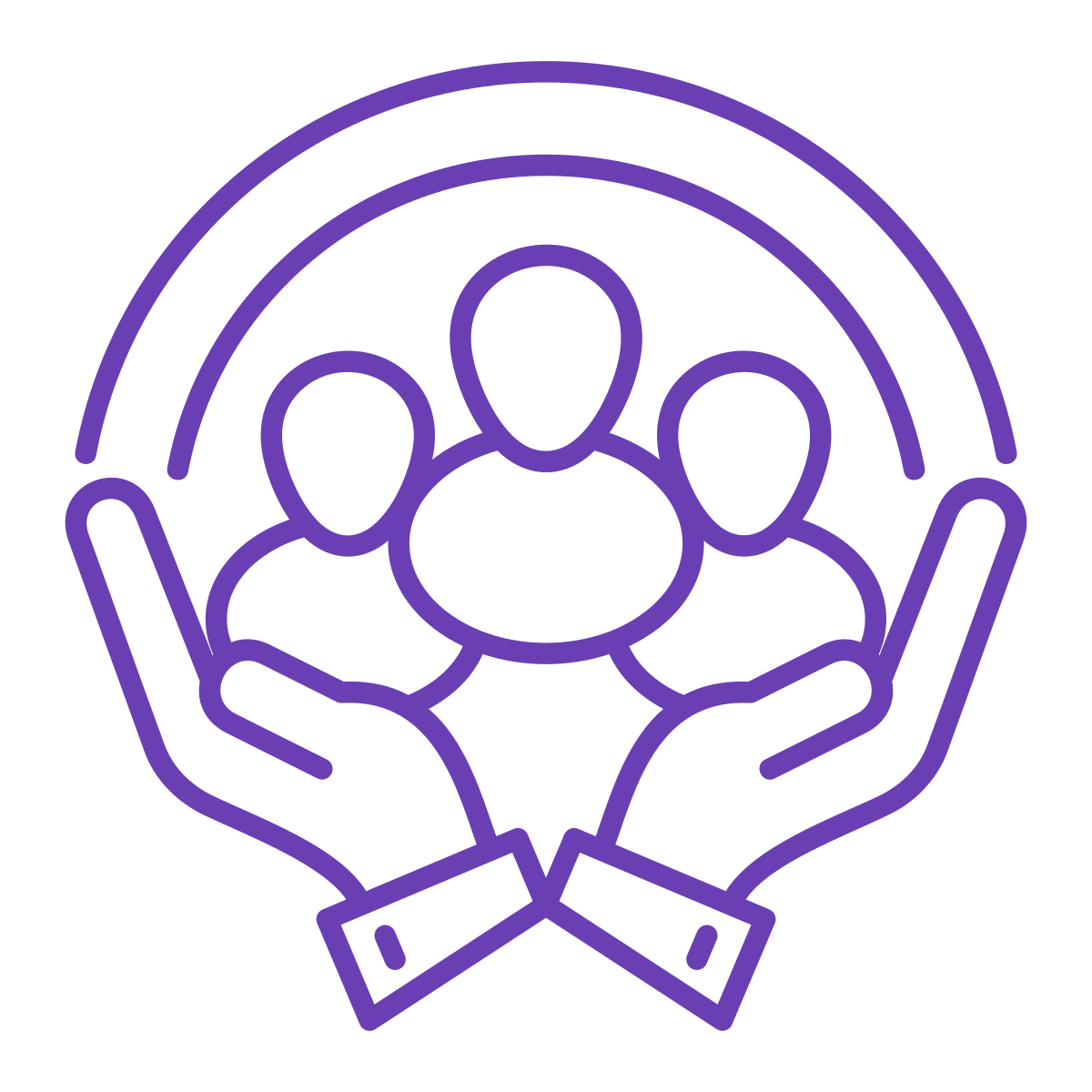
Graphic source:
Avery Cole character by Tom Kuhlmann.
Tom has generously granted free personal and commercial use to his character design.

Partnering with others in research and design

My PhD research on online learning with students with acquired brain injuries led to a practical framework for partnering with disabled people in research and design. It is central to how I think about accessibility and inclusion. It is not an extra checkmark on a list at the tail end of project development. It is part of how we'll work together.

Inclusive partnership

Disabled people are frequent partners in my work. Involved in shaping research questions, design decisions, and the way we test and refine learning experiences, their lived experience is treated as crucial expertise that shapes what we build.

Flexible design

Fatigue, cognitive load, and changing capacities are realities for many people. I design learning and collaboration methods that can flex with people’s energy and attention. That can mean shorter modules, multiple ways to engage, and pacing that respects those realities.

Meeting people where they are

I pay attention to the conditions people are working under. That includes access to technology, time zones, sensory sensitivities, and comfort with disclosure. Instead of asking everyone to fit one method, I adapt how we collaborate so participation is as easy and safe as possible.

Trust through upfront disclosure

I am clear about why we are doing something, what is expected, and what will happen with the results. This upfront disclosure helps people decide how they want to be involved and reduces anxiety about hidden expectations or risks.

How I use AI in my work

I use AI tools as a thinking partner to help with drafting, brainstorming, and refining ideas. Any AI‑generated content is always reviewed, edited, and fact‑checked by me to ensure it aligns with my expertise, values, and the needs of the final audience. AI never replaces my judgment or responsibility for the work; it simply supports parts of my process so I can focus more on high‑value analysis, design, and decision‑making.

Full disclosure: I don't always catch issues when editing. Those errant typos and weird formatting mistakes on the site? They're all mine! Also, I'm a fan of the Oxford comma and have always peppered my non-professional writing with asides through use of parenthesis, commas, and em dashes. AI is unlikely to change that—for now.

What this means for your projects

In practice, this approach means your projects benefit from practical problem solving, accessible and inclusive design, and ongoing adjustment based on real world feedback. Whether we are building an eLearning module, a coaching program, or a blended path for new leaders, we start from where you are and design toward where you want to go.